
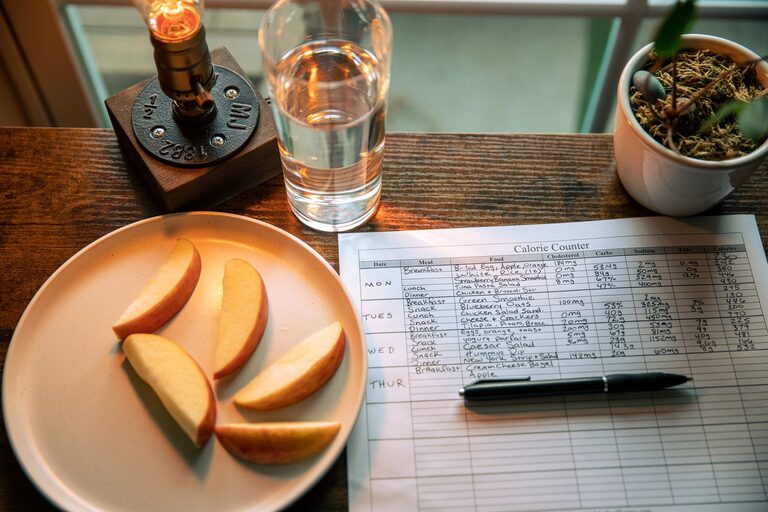
Planning balanced meals can sometimes feel overwhelming, especially with busy schedules and endless food choices. However, eating well doesn’t have to be stressful or complicated. With a few simple strategies, you can create meal plans that support your health, save time, and reduce mealtime anxiety. In this post, we’ll explore practical tips to help you plan balanced meals without the stress.
What Are Balanced Meals?
Balanced meals include a variety of foods that provide essential nutrients your body needs. These typically include:
– Proteins: such as lean meat, fish, beans, tofu, or eggs, which support muscle and tissue health.
– Carbohydrates: preferably whole grains like brown rice, quinoa, or whole wheat bread, which supply energy.
– Vegetables and Fruits: rich in vitamins, minerals, and fiber.
– Healthy Fats: found in nuts, seeds, avocados, and olive oil.
– Dairy or Alternatives: like yogurt or plant-based milk, for calcium and vitamin D.
Creating meals with this balance helps maintain energy, supports bodily functions, and encourages long-term wellness.
Why Planning Meals in Advance Helps
Taking the time to plan meals ahead brings several benefits:
– Saves time and money by reducing last-minute food purchases and eating out.
– Promotes healthier choices by avoiding impulsive, less nutritious options.
– Limits food waste since you buy only what you need.
– Reduces daily decision fatigue, making mealtime smoother.
With these advantages, meal planning can actually reduce stress rather than add to it.
Step-by-Step Guide to Stress-Free Meal Planning
1. Assess Your Needs and Preferences
Start by considering:
– How many meals and snacks you need per day.
– Any dietary restrictions or allergies.
– Time available for cooking during the week.
– Foods you enjoy and want to include.
Knowing these helps tailor your plan to your lifestyle.
2. Choose Simple, Flexible Recipes
Look for recipes that:
– Use similar ingredients across different meals.
– Can be prepared in batches or stored easily.
– Require minimal steps and cooking time.
For example, grilled chicken, roasted veggies, and quinoa can be mixed and matched throughout the week.
3. Create a Weekly Meal Template
Draft a basic schedule, such as:
– Monday: Breakfast oatmeal, chicken salad lunch, vegetable stir-fry dinner.
– Tuesday: Smoothie breakfast, lentil soup lunch, fish and steamed greens dinner.
This blueprint gives direction but allows room for swaps.
4. Prepare a Shopping List
From your menu, list all ingredients you need. Organize the list by section of the grocery store to save time.
5. Meal Prep When Possible
Set aside time once or twice a week to:
– Chop vegetables.
– Cook grains or proteins in bulk.
– Portion out snacks.
Prepping ingredients in advance makes cooking during the week faster and easier.
Tips to Make Balanced Meal Planning Easier
– Use a meal planning app or printable template to stay organized.
– Keep staple ingredients on hand, like canned beans, frozen vegetables, and whole grains.
– Experiment with leftovers by turning dinner into lunch the next day.
– Stay flexible—if plans change, swap meals or adjust portions.
– Involve family or housemates to share ideas and responsibilities.
Example Balanced Meal Ideas
– Breakfast: Greek yogurt with fresh berries and a sprinkle of nuts.
– Lunch: Quinoa bowl with chickpeas, roasted vegetables, and tahini dressing.
– Dinner: Baked salmon with steamed broccoli and sweet potato.
– Snack: Apple slices with almond butter.
These ideas combine protein, fiber, healthy fats, and vitamins, offering a satisfying and nourishing experience.
Final Thoughts
Planning balanced meals without stress is achievable by breaking the process into simple steps and using tools that suit your lifestyle. Remember, the goal isn’t perfection but creating enjoyable, nutritious meals that support your well-being. Start small, stay flexible, and make adjustments as you learn what works best for you.
Happy meal planning!