
Reducing food waste at home is a win-win for your wallet and the planet. Every year, millions of tons of edible food are thrown away, contributing to environmental issues and lost resources. The good news is that with a few mindful changes, you can significantly cut down on food waste in your household. This article will guide you through easy, effective ways to reduce food waste at home while making cooking and eating more enjoyable.
Why Reducing Food Waste Matters
Before diving into tips, it’s helpful to understand why reducing food waste is important:
– Environmental impact: Food waste contributes to greenhouse gas emissions when it decomposes in landfills.
– Economic savings: Wasting food means wasting money. Smaller grocery bills mean more savings.
– Resource preservation: Growing food uses water, energy, and labor. Wasting food wastes these resources too.
– Social responsibility: Reducing waste helps ensure food is used where it’s needed most.
Now, let’s explore practical ways to make a positive change in your kitchen.
Plan Your Meals and Shopping
Make a Weekly Meal Plan
Planning your meals ahead helps you buy only what you need. Consider:
– Checking your pantry and fridge before shopping.
– Writing a simple meal plan for the week.
– Including recipes that use similar ingredients to avoid leftovers going bad.
Create a Shopping List
Stick to your list to avoid impulse buys that may spoil before use. Buying only essentials helps reduce waste and keeps your budget in check.
Buy Smart Quantities
Avoid buying in bulk unless you’re sure you will use everything. Fresh items like fruits and vegetables often spoil quickly when bought in large amounts.
Store Food Properly
Use Clear Storage Containers
Store leftovers and prepped ingredients in clear containers so you can see what you have at a glance.
Label and Date Food
Label containers with the date you stored the food. This helps keep track of freshness and prevents forgotten food.
Know How to Store Produce
Some fruits and vegetables last longer when refrigerated, while others do better at room temperature. For example:
– Keep tomatoes and bananas on the counter.
– Store leafy greens in a sealed container with a paper towel in the fridge.
– Keep potatoes and onions in a cool, dark, dry place.
Use Leftovers Creatively
Repurpose Meals
Turn leftovers into new dishes. For example:
– Roast chicken can become chicken salad or soup.
– Extra vegetables can be added to omelets or pasta sauces.
Freeze Extra Portions
Freeze meals or ingredients if you don’t plan to eat them soon. Freezing extends shelf life and saves food from going bad.
Track Leftovers
Keep a dedicated spot in the fridge for leftovers and plan to eat them within a couple of days.
Practice Portion Control
Serve Smaller Portions
Start with smaller servings and take more if hungry. This reduces uneaten food left on plates.
Use Smaller Plates
Using smaller plates can help control portions and reduce waste.
Compost Food Scraps
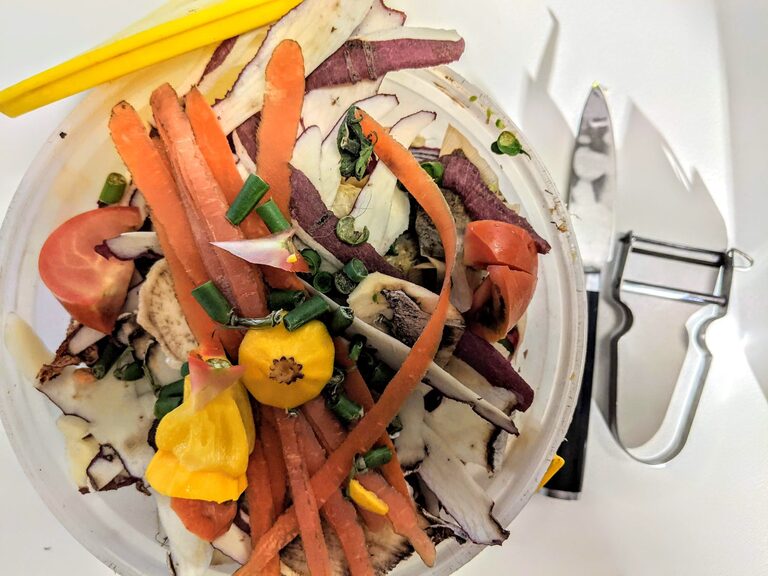
Not all food scraps need to be thrown in the trash. Composting is a great way to reduce waste and create nutrient-rich soil for gardens.
– Compost fruit and vegetable peels, coffee grounds, and eggshells.
– Avoid composting meat, dairy, and oily foods unless you have a special system.
Tips for Specific Food Types
Bread
– Freeze bread if you won’t use it quickly.
– Use stale bread for croutons, breadcrumbs, or bread pudding.
Fruits and Vegetables
– Use overripe fruit in smoothies or baking.
– Freeze berries and herbs close to their peak freshness.
Dairy
– Check expiration dates regularly and use older items first.
– Use sour milk in recipes such as pancakes or muffins.
Educate Your Household
Talk with family members about the importance of reducing food waste. Encourage everyone to:
– Take only what they will eat.
– Save and reuse leftovers.
– Help with meal planning and grocery shopping.
Conclusion
Reducing food waste at home is easier than you might think. With a bit of planning, smart storage, and creativity, you can make a big difference. Not only will you save money, but you’ll also contribute to a healthier planet. Start with one or two changes today and build from there—small steps lead to lasting habits.
By incorporating these habits, your kitchen will become more efficient, your meals more thoughtful, and your impact more positive. Happy cooking and waste-free living!