
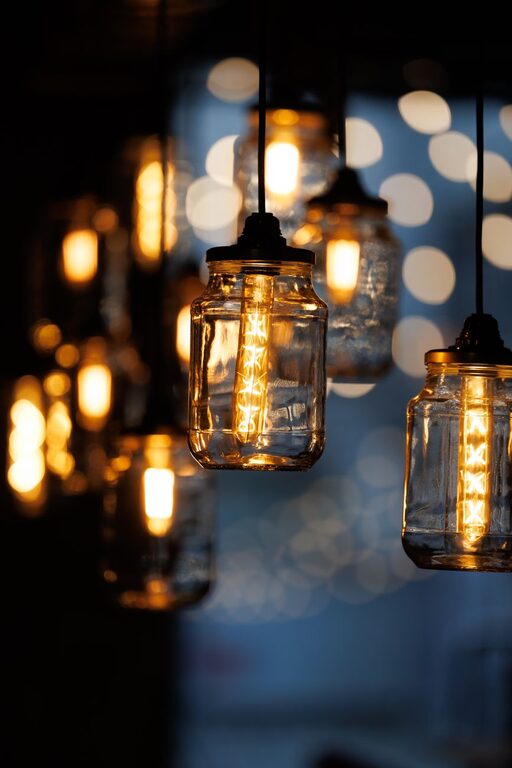
Creating a comfortable and inviting atmosphere in your home starts with the right lighting. Whether you are reading a book, cooking dinner, or relaxing with family, the lighting you choose can greatly impact your mood and the overall feel of your space. This guide will help you understand key factors to consider when selecting home lighting that is both functional and comfortable.
Why Comfortable Lighting Matters
Good lighting affects more than just visibility. It influences your comfort, productivity, and even your health. Harsh or poorly placed lights can cause eye strain, headaches, or disrupt your sleep patterns. On the other hand, well-considered lighting can make rooms feel more spacious, warm, and welcoming.
Understanding the Basics of Home Lighting
Before you start shopping for lights, it’s helpful to know the three main types of lighting used in homes:
1. Ambient Lighting
This is the general light that fills a room, providing overall illumination. Think of ceiling fixtures, chandeliers, or recessed lights that evenly light up the space.
2. Task Lighting
Task lighting focuses on areas where you perform specific activities like reading, cooking, or working. Desk lamps, under-cabinet kitchen lights, and vanity lights are good examples.
3. Accent Lighting
Accent lighting highlights particular features or objects, such as artwork, plants, or architectural details. This can include spotlights, track lights, or wall sconces.
Balancing these types creates layered lighting that is both functional and comfortable.
Tips for Choosing Comfortable Home Lighting
1. Consider the Room’s Purpose
Different rooms have different lighting needs:
– Living Rooms: Aim for warm, soft lighting that encourages relaxation. Use a mix of ambient lighting and accent lights.
– Kitchens: Bright, clear lighting is essential for tasks. Combine strong ambient lights with focused task lights on counters.
– Bedrooms: Opt for dimmable, warm lights that promote restfulness. Bedside lamps are perfect for nighttime reading.
– Bathrooms: Use bright, shadow-free lighting, especially around mirrors. Bulbs with natural daylight tones work best.
– Home Offices: Lighting should reduce glare while providing clear visibility. Adjustable task lamps help.
2. Choose the Right Color Temperature
Light color is measured in Kelvin (K):
– Warm White (2700K-3000K): Creates a cozy, inviting atmosphere. Ideal for living rooms and bedrooms.
– Neutral White (3500K-4100K): Balanced color, good for kitchens and workspaces.
– Cool White (5000K-6500K): Bright and energizing, often used in garages or study rooms.
Selecting the proper color temperature affects how natural and comfortable your lighting feels.
3. Use Dimmers for Flexibility
Installing dimmer switches allows you to adjust the brightness depending on the time of day or activity. Dimming lights can reduce energy usage and help you create the perfect mood in any room.
4. Pay Attention to Bulb Quality
Not all bulbs are created equal. Look for bulbs with:
– High Color Rendering Index (CRI): A CRI of 80 or above means colors will appear more natural under the light.
– Energy Efficiency: LED bulbs use less electricity and last longer.
– Appropriate Brightness: Measured in lumens, brightness should suit the room size and purpose. For example, 450 lumens is suitable for a small reading lamp.
5. Layer Your Lighting
Combining ambient, task, and accent lights gives you control and comfort. For instance, in a living room, an overhead chandelier provides ambient light, table lamps offer task lighting, and wall sconces can be used for accent lighting.
6. Choose Fixtures That Complement Your Style
Lighting fixtures come in many shapes and styles. Select designs that blend with your home decor while providing the functionality you need. Avoid overly bright or glaring fixtures that may be uncomfortable to look at.
7. Position Lights Thoughtfully
Where you place your lighting affects comfort. Avoid placing bright lights directly in your eyes or causing glare on screens and mirrors. Use adjustable fixtures or lamps with shades to soften the light.
8. Don’t Forget Natural Light
Make the most of daylight by positioning furniture near windows and using light curtains. Natural light enhances comfort and reduces the need for artificial lighting during the day.
Quick Checklist for Comfortable Home Lighting
– Identify the function of each room.
– Select bulbs with the right color temperature.
– Opt for LED bulbs with high CRI.
– Use dimmers for adjustable brightness.
– Incorporate ambient, task, and accent lighting.
– Choose fixtures that match your decor and soften light.
– Position lights to avoid glare.
– Maximize natural light.
Final Thoughts
Choosing comfortable home lighting is about more than just illumination. Thoughtful lighting design can transform your home into a warm, inviting space where you feel relaxed and energized. By considering your rooms’ needs, selecting the right bulbs, and layering your lights, you’ll create a balanced and comfortable atmosphere that suits every moment of your day. Happy lighting!